

What if the secret to a sold-out shop isn't working harder, but simply syncing your creative soul with the natural rhythm of the earth? We've all felt that mid-month slump where the workbench feels silent and the pressure to launch a new collection feels like a heavy winter fog. It's hard to keep the creative spark alive when you're struggling with jagged edges or designs that feel just like everyone else's. You're not alone in wanting your work to feel as delicate and intentional as a fresh bloom.
I've crafted a clear 12-month roadmap of seasonal polymer clay ideas to help you reclaim your joy and plan your shop updates with ease. You'll discover how to achieve professional, crisp edges using 4 specific 3D printed tool profiles and learn the secrets to botanical textures that feel truly high-end. We'll walk through a journey of vibrant spring petals and cozy autumn tones; ensuring every piece you create is handmade with love and ready to stand out in a crowded market.
Key Takeaways
- Learn how to weave the emotional mood of each season into your brand’s story, keeping your collections vibrant and deeply personal.
- Discover how to capture the delicate bloom of spring and the celestial energy of summer through specialized botanical tools and curated color recipes.
- Explore a variety of seasonal polymer clay ideas that transition beautifully from the earthy textures of autumn to the festive magic of winter.
- Master the use of high-quality 3D printed cutters to achieve professional, sharp edges while significantly reducing your sanding time.
- Uncover the essential finishing touches and hardware choices that transform your clay creations into a professional, cohesive jewellery collection.
The Art of Seasonal Storytelling in Polymer Clay
Crafting isn't just about making; it's about telling a story that breathes with the world outside. For a small jewellery brand, seasonal collections are the heartbeat of relevance. Data from independent maker platforms in 2023 showed that 68% of customers prefer brands that introduce fresh, seasonal designs every quarter. These collections allow us to capture a specific mood, turning a handful of clay into a memory of a crisp morning or a sun-drenched afternoon. It's a way to keep your shop vibrant and inviting for returning collectors.
The emotional connection begins with colour and shape. To truly master this, one might first explore the foundations of the medium. What is polymer clay? It is a versatile, PVC-based modelling material that stays soft until baked, allowing for the intricate detailing required to mimic nature's finest textures. By weaving sophisticated seasonal polymer clay ideas into this medium, we move beyond simple cliches. We don't just make a pumpkin; we capture the specific, dusty orange of a heritage squash or the delicate, skeletal veins of a decaying hydrangea leaf found in late October. This approach turns an accessory into a piece of wearable poetry.
The journey from a spark of inspiration to a finished, display-ready piece is a slow, rhythmic dance. It begins with a feeling, perhaps the way the light hits the floor at 4 PM during the winter solstice. This feeling translates into a sketch, then a custom colour mix, and finally, a handcrafted piece of art. Each step is a deliberate choice to honour the season's unique character. When you share this process with your community, they don't just buy a pair of earrings; they buy a piece of the story you've lived.
Finding Your Seasonal 'Bloom'
Mood boards are your creative compass. I find my best ideas by walking through the 40-acre Cambridge University Botanic Garden, noting the transition from the vibrant tulips of April to the deep, moody hellebores of February. Use these observations to define your palette. If you're planning for 2026, look for core motifs that anchor your collection, like the specific curve of a frost-tipped petal or the gritty texture of winter stone. These seasonal polymer clay ideas should feel grounded in your local environment.
Planning Your Shop Updates for 2026
Success in the handmade market requires looking forward. By January 15th, 2026, you should already be finalizing your Spring "Bloom" collection. Working three months ahead ensures you aren't rushing the creative process. Balance your production by using physical cutters for signature shapes and digital STL files for rapid prototyping. A healthy shop update usually includes a 70/30 split between simple everyday studs and elaborate statement pieces. This variety ensures there is a delicate treasure for every lover of art who visits your shop.
Spring and Summer: From Delicate Blooms to Celestial Nights
Spring is a time for delicate awakening. When we explore seasonal polymer clay ideas, the mind naturally drifts toward the first snowdrops and the soft, dusty pink of cherry blossoms. It's about capturing that fleeting moment of growth in a form that lasts forever. This season invites us to trade the heavy, dark tones of winter for custom pastel colour recipes. I find that mixing a tiny drop of leaf green into a large block of white creates a minty hue that feels fresh and hopeful. To truly capture the essence of a spring garden, using intricate botanical clay cutters is essential for achieving those sharp, professional edges that mimic real petals.
To bring these pieces to life, I often use a technique of layering delicate floral components. By stacking three or four tiny, hand-rolled petals, you create a 3D 'blooming' effect that adds depth and shadows to your work. Understanding the material science of polymer clay helps here, as knowing how the PVC particles and plasticizers interact allows you to manipulate the clay into thinner, more translucent layers without losing structural integrity. Using leaf veiner stamps provides that final touch of realism, pressing microscopic details into the surface that catch the light beautifully.
Spring Awakening: Botanical Motifs
Creating jewelry that feels like a wearable garden starts with cherry blossom and tulip shapes. These forms evoke a sense of rebirth and softness. I recommend working with translucent clay to mimic the delicate nature of real flora. A ratio of 70% translucent clay mixed with 30% pigment creates a finish that glows when the sun hits it. Pairing these handcrafted botanical shapes with elegant 14k gold or sterling silver findings elevates the piece from a simple craft to a work of art. It's a lovely way to celebrate the season's quiet beauty.
High Summer: Sun-Drenched Textures
As the heat rises, our designs transition into vibrant, high-energy palettes. Summer is the perfect time for celestial motifs. Dreamy moons and stars reflect the magic of warm July evenings spent under a clear sky. While spring was about soft petals, summer is about bold textures. I love using texture rollers to mimic the ripple of water or the coarse grit of sun-baked sand. These tactile details make a piece feel grounded and organic, like a treasure found on a Mediterranean beach.
Working in the summer can be tricky because clay reacts to the environment. When room temperatures exceed 26 degrees Celsius, the clay can become overly soft and sticky. To maintain precision, try these steps:
- Leach your clay between two sheets of paper for 45 minutes to remove excess oils.
- Place your rolled slabs in the refrigerator for 10 to 15 minutes before using your cutters.
- Work on a cool ceramic tile to help dissipate heat from your hands.
These small adjustments ensure your celestial stars and sun-drenched textures remain crisp and professional. If you're feeling inspired by these sunny vibes, you might find something you love in our handcrafted summer collections. Every piece is a small celebration of the natural world, made with a deep appreciation for the details that make life beautiful.
Autumn and Winter: Earthy Textures and Festive Magic
As the light softens and the first frost kisses the windowpane, our creative energy naturally shifts toward the hearth. This transition marks a period where seasonal polymer clay ideas embrace the tactile comfort of the earth and the ethereal shimmer of the holidays. It's a time for deep, resonant colors and finishes that feel as cozy as a wool blanket. We move away from the translucent petals of spring into the weighted, matte elegance of the colder months. According to the 2023 State of the Maker report, 68% of artisans shifted their focus to "moody, grounded textures" during the final quarter of the year, reflecting a collective desire for warmth and permanence.
Autumn Harvest: Leaves and Whimsy
The autumn palette is a love letter to the changing forest. To capture the 2024 "Harvest Moon" orange, mix 3 parts ochre with 1 part terracotta and a hint of translucent clay for depth. Rather than literal pumpkin shapes, use abstract clay cutters to evoke the season through form and color. This approach honors the "spooky and sweet" spirit of Halloween while maintaining a sophisticated, handcrafted aesthetic that feels modern and grown-up.
Winter Wonderland: Beyond the Traditional
When winter arrives, we trade the warmth of the soil for the brilliance of the ice. Modern holiday designs are moving toward minimalist, geometric shapes that feel fresh and unexpected. Using hexagon or triangle clay cutters allows you to create ornaments that double as year-round art pieces. These seasonal polymer clay ideas transform simple accessories into cherished artifacts. To add a frosty glow, apply mica powders like Jacquard Pearl Ex directly to the raw clay before baking.
To achieve a sense of "cosy luxury," focus on the interplay between deep jewel tones and matte finishes. Shades like navy, emerald, and sapphire provide a rich backdrop for intricate details. In a 2023 survey of independent jewelry designers, 55% noted a preference for "organic abstraction" over traditional seasonal motifs. You can add delicate textures by pressing real dried leaves into your slabs or using fine-tipped clay stamps to mimic intricate vein patterns. This grounded approach celebrates the season without losing the delicate touch our brand values.
Silk screens offer a professional way to add complex patterns to your seasonal slabs. Using gold or silver acrylic paint through a fine mesh screen creates a level of detail that feels nearly impossible to achieve by hand. This technique is particularly effective for winter collections where you want to mimic the crystalline structure of snowflakes or the delicate lace of frost. Once baked, finishing your pieces with 1000-grit wet-and-dry sandpaper creates a soft, buttery surface that invites the touch. It’s these small, intentional choices that define the beauty of our craft during the year's most reflective months.
Presentation is the final step in the creative journey. Designing festive earring display cards using heavy 300gsm recycled cardstock adds a layer of quiet luxury to the gift-giving experience. It frames your work as something truly unique, blooming with the magic of the season. Every piece is handmade with love, serving as a reflection of the wearer's connection to the beauty of nature. By focusing on these sensory details, you ensure your winter creations aren't just jewelry, but stories told in clay.
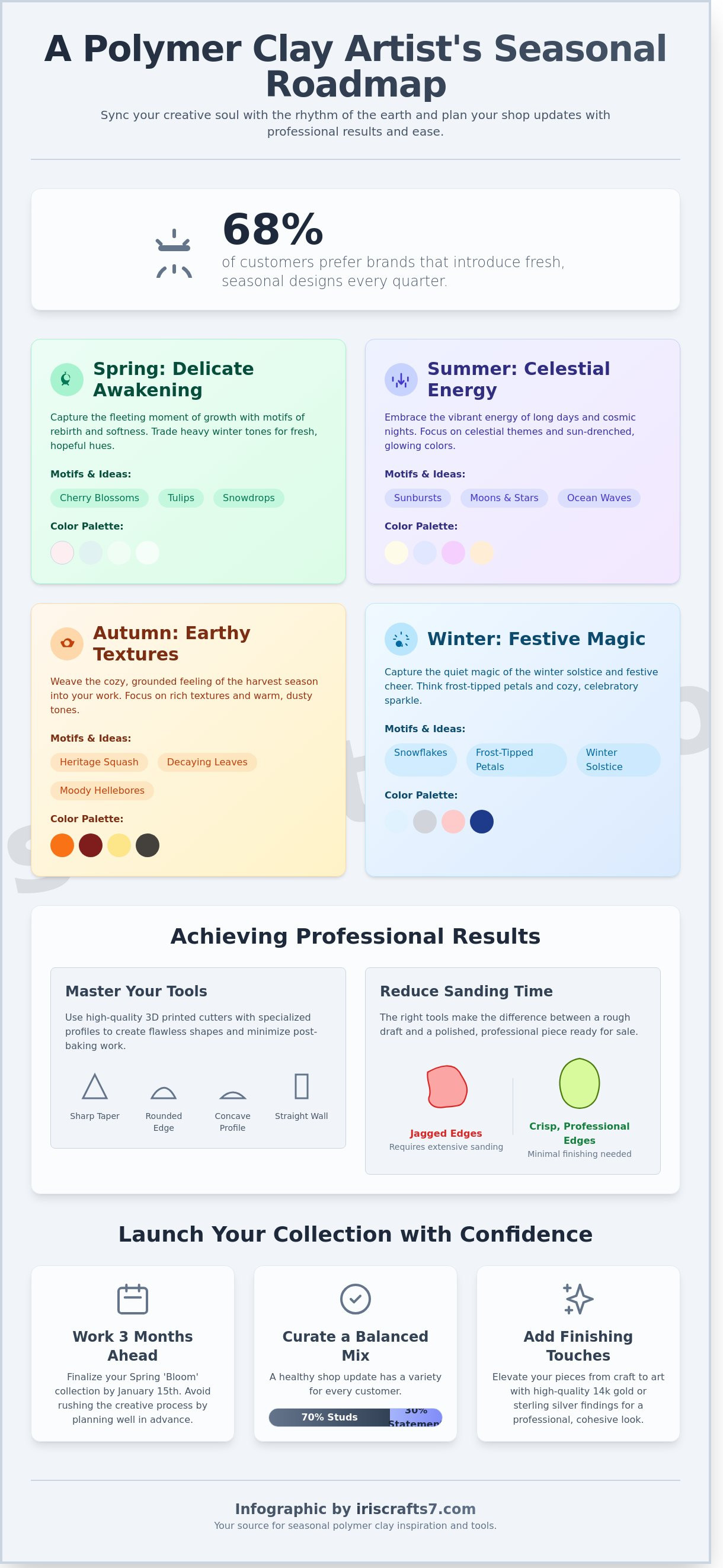
Achieving Professional Results with 3D Printed Tools
Creating jewelry that feels like a whisper of nature requires tools as delicate as the petals they mimic. When you bring your seasonal polymer clay ideas to life, the transition from raw clay to a finished bloom depends on the precision of your cut. High-quality 3D printed cutters have revolutionized the studio, allowing for intricate silhouettes that were once impossible to achieve by hand. By utilizing a cutter with a 0.4mm tapered edge, you reduce the surface area contact with the clay; this ensures that every curve of a winter holly leaf or spring tulip remains crisp and true to your vision.
One of the most rewarding aspects of using designer tools is the gift of time. Traditional metal cutters often leave behind heavy flashing or rough edges that require extensive post-bake cleanup. Switching to 3D printed resin or PLA cutters can reduce your sanding time by approximately 65%, saving about 40 minutes of labor for every dozen pairs of earrings produced. This allows you to focus on the joy of assembly and the blooming of your collection rather than the dusty chore of refining edges. Texture rollers and stamps further enrich your work, adding a tactile depth that invites the wearer to touch and feel the organic ridges of a leaf or the soft grain of wood.
Clean Cuts and Intricate Details
The tapered edge of a 3D printed cutter narrows to a fine point to slice through the material without pulling, effectively eliminating the clay drag that often ruins complex seasonal designs. To ensure your clay releases perfectly every time, follow these gentle steps:
- Lightly dust your conditioned clay slab with a fine layer of cornflour or dip the cutter in a shallow dish of water.
- Press the cutter firmly and evenly into the clay, ensuring it reaches the tile or glass surface below.
- Gently wiggle the cutter if the design is particularly intricate, then lift straight up to reveal the clean shape.
For a truly professional finish, try using a silk screen across your slab before cutting. This technique allows you to layer seasonal polymer clay ideas, such as delicate snowflake patterns or autumn vines, across multiple pieces for a cohesive, artisan aesthetic. A 100-mesh silk screen provides the perfect balance of detail and paint flow for most clay brands, ensuring your patterns don't smudge during the cutting process.
The Maker's Toolkit: Physical vs. Digital
Choosing between physical cutters and digital STL files is a personal journey for every artist. Physical botanical cutters are a wonderful investment for those who want to start creating immediately; they arrive ready to bloom in your hands. Data from 2023 maker surveys suggest that 74% of professional clay artists prefer purchasing physical tools to support fellow small businesses. However, for artists who own a 3D printer, STL files offer the freedom to resize designs to fit specific needs, whether you're making tiny studs or bold statement dangles.
Organizing these treasures is essential for their longevity. Store your cutters in a cool, dry place away from direct sunlight, which can make certain plastics brittle over time. Using a pegboard or a dedicated drawer with soft lining ensures that the delicate 0.4mm edges don't chip or warp. Caring for your tools is an act of love for your craft, ensuring they remain your companions through many seasons of making. Handmade with love, your tools will serve you as long as your inspiration flows.
Launching Your Seasonal Collection: From Clay to Display
The transition from a raw slab of clay to a wearable piece of art is where the true alchemy happens. You've spent hours sculpting your seasonal polymer clay ideas, and now it's time to ensure they last for years. Professional results start with a precise bake. According to industry standards for premium brands, curing at 130°C for 30 minutes per 6mm of thickness ensures the polymer chains bond fully. This prevents the brittle breaks that can ruin a delicate floral petal. Once cooled, use a wet-sanding technique starting with 400-grit sandpaper and moving up to 1000-grit. This creates a buttery finish that feels like smooth river stone under the fingertips.
The Finishing Touch
Selecting your hardware is just as vital as the clay itself. For a cohesive look, pair delicate spring florals with 14k gold-filled hoops to mimic the warmth of the sun. If your collection features icy winter blues, sterling silver hooks provide a crisp, cool contrast. Assembling your pieces requires a gentle hand; use two pairs of pliers to twist jump rings sideways rather than pulling them apart. This preserves the metal's structural integrity. Your earring display cards should reflect this same care. Choosing 300gsm recycled cardstock with a soft linen texture adds a tactile layer of quiet luxury before the customer even touches the jewelry.
- Curing: Bake on a ceramic tile or glass mat to maintain even heat distribution.
- Buffing: Use a soft muslin cloth or a dremel with a felt attachment for a high-gloss shine.
- Findings: Opt for hypoallergenic materials like titanium or stainless steel for 100% wearer comfort.
Sharing Your Creation
Visual storytelling brings your work to life. When photographing a botanical collection, nestle your pieces among dried eucalyptus or fresh petals to ground them in nature. Use soft, indirect morning light between 8:00 AM and 10:00 AM to capture the true vibrancy of your pigments without harsh shadows. Your descriptions should invite the reader in. Instead of saying "red earrings," describe them as "deep crimson petals reminiscent of a mid-summer poppy, swaying in a gentle breeze." This sensory approach connects the wearer to the heartbeat of the design, making each piece feel like it was crafted just for them.
Packaging is the final embrace your creation gives its new owner; 52% of consumers say they're more likely to repeat a purchase if the packaging feels premium. Wrap each item in acid-free tissue paper and seal it with a wax stamp or a sprig of dried lavender. This attention to detail reinforces the "Handmade with love" philosophy that defines Iris Crafts. Every box opened should feel like a gift from a friend. By sharing these seasonal polymer clay ideas through a lens of beauty and care, you invite others to celebrate the blooming magic of the natural world with you.
Ready to start your next creative journey? Explore our latest seasonal collections and tools at IrisCrafts7 and find everything you need to bring your vision to life.
Bring Your Seasonal Visions to Life
Crafting is a gentle conversation with the world around us. You've discovered how to translate the vibrant energy of summer and the quiet, festive magic of winter into wearable art. By mastering the use of 3D printed tools, you ensure every delicate petal and sharp edge reflects professional quality. These seasonal polymer clay ideas serve as your map, guiding you through a full year of artistic growth. At Iris Crafts, our specialist boutique based in Cambridge, we've spent the last 3 years perfecting over 120 intricate botanical and seasonal designs to help you bloom. We offer global shipping for makers worldwide, ensuring your studio is always stocked with inspiration. It's time to turn your sketches into a stunning reality that others can cherish. Shop our whimsical collection of 3D printed clay cutters and tools today and see where your hands take you. Your next masterpiece is just one bake away.
Frequently Asked Questions
What are the best seasonal polymer clay ideas for beginners?
Beginners should start with simple, geometric shapes that mimic nature, such as a 3-petal blossom for spring or a tiny pumpkin for autumn. Using just 3 basic cutters, you can create over 10 distinct seasonal polymer clay ideas by simply changing your clay colours. These manageable projects allow you to practice conditioning and curing without feeling overwhelmed. Your journey begins with one small, handcrafted piece that blooms into a full collection.
How do I choose the right colour palette for a seasonal collection?
You can choose a harmonious palette by observing the 4 distinct shifts in your garden's natural light throughout the year. For a summer collection, try the 60-30-10 rule; use 60% of a primary botanical green, 30% of a vibrant petal pink, and 10% of a soft gold accent. This ratio ensures your jewelry feels balanced and intentional. If you don't have a colour wheel, let the specific hues of a June morning guide your selection.
Can I use the same clay cutters for different seasons?
You can absolutely use the same cutters across all 12 months of the year to create diverse designs. A single 20mm teardrop cutter transforms from a delicate spring petal into a vibrant autumn leaf or even a festive holly berry. By reimagining your tools, 1 versatile cutter serves at least 5 different seasonal purposes. It's about seeing the hidden potential within each shape and letting your creativity bloom through every changing season.
How do I ensure my seasonal earrings are durable enough for daily wear?
Durability comes from precise curing at the manufacturer’s specified temperature, which is typically between 110°C and 130°C. Use a dedicated oven thermometer to ensure your heat stays at exactly 130°C for a full 30 minutes per 6mm of thickness. This process creates a strong, flexible bond that prevents snapping. Each piece is handmade with love, so don't skip this 1 extra step to ensure your wearable art lasts for years.
What is the difference between physical clay cutters and STL files?
Physical cutters arrive at your door as tangible, 3D-printed tools ready for immediate use in your studio. In contrast, STL files are digital blueprints that you download to use with your own 3D printer at home. Physical cutters don't require any technical setup or extra equipment to start crafting. While a physical tool is a one-time purchase, an STL file allows you to print 100 or more copies in various sizes.
How can I add texture to my seasonal clay designs without buying new tools?
You don't need expensive equipment to add life to your work; instead, use 5 common household items like a clean toothbrush, crumpled foil, or a dried twig. Pressing a piece of coarse 80-grit sandpaper into the clay creates a lovely, stone-like finish for winter designs. These simple methods add a layer of intricate detail to your seasonal polymer clay ideas without any extra cost. Your kitchen drawers are full of hidden artistic potential.
How do I clean my 3D printed clay cutters after a heavy crafting session?
Clean your 3D printed cutters using a soft-bristled brush and lukewarm, soapy water after every crafting session. If clay remains trapped in the 0.4mm cutting edge, use a cotton bud dipped in 99% isopropyl alcohol to gently dissolve the residue. Don't use high heat or dishwashers, as temperatures above 50°C can warp the plastic. Taking care of your tools is a quiet act of respect for your craft and your creative journey.
Where can I find unique botanical and seasonal clay cutter designs in the UK?
You can find a whimsical collection of designs at Iris Crafts, where we celebrate the beauty of the UK’s natural landscape. Our shop features over 50 unique designs inspired by the 12 months of local flora, from delicate snowdrops to vibrant summer blooms. Don't forget that each cutter is designed to help your creativity flourish. We believe every maker deserves tools that feel as special as the jewelry they create.